Egypt
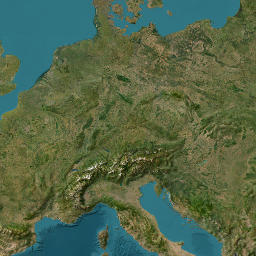
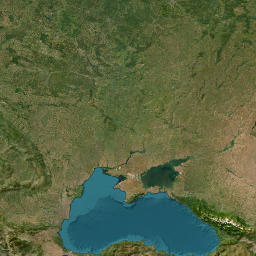
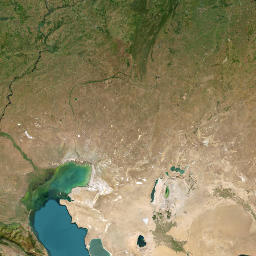
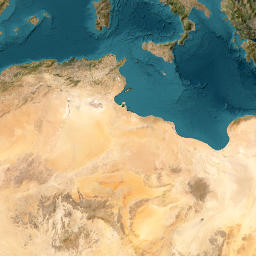
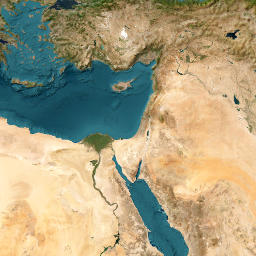
© Esri, Maxar, Earthstar Geographics
Ancient land, referenced both as the place of Moses' captivity under Pharaoh, from which he led the Hebrews through trackless deserts, and as one of three regions (with Palestine and Mesopotamia) full of followers of monastic Christian philosophy.
Preliminaries
-
TO THE MOST REVEREND AND MOST ILLUSTRIOUS LORD HENRY FRANCIS VAN DER BURCH, ARCHBISHOP AND DUKE OF CAMBRAI, PRINCE OF THE HOLY ROMAN EMPIRE, COUNT OF CAMBRAI.
— Moses led the Hebrews out of Egypt
"led them out of Egypt through trackless deserts"
-
TO THE MOST REVEREND AND MOST ILLUSTRIOUS LORD HENRY FRANCIS VAN DER BURCH, ARCHBISHOP AND DUKE OF CAMBRAI, PRINCE OF THE HOLY ROMAN EMPIRE, COUNT OF CAMBRAI.
— Egypt named as full of monastic followers
"Egypt, Palestine, and Mesopotamia are full of those who follow this Christian Philosophy"
Pope Clement VIII, Jerome's Prefaces, On Worship
-
II. JEROME TO PAULINUS.
— Plato traveled laboriously through Egypt seeking knowledge
"Plato most laboriously traveled through Egypt"
Preface and Praise of Sacred Scripture
-
Moses's Three Periods of Forty Years
— Moses raised in the royal court of Egypt, educated in all the wisdom of the Egyptians for 40 years
"he from his tenderest years was raised in the royal court, as a king's son and destined heir, educated in all the wisdom of the Egyptians, for a full 40 years"
-
Moses and Christ: Nineteen Parallels
— Moses performed astonishing plagues and miracles in Egypt; Christ as an infant withdrew into Egypt fleeing Herod
"Moses established the law with wondrous portents, Christ founded the Gospel with even greater ones"
-
Praises of Moses from Scripture and the Fathers
— Stephen says Moses led them out performing wonders and signs in the land of Egypt
"this man led them out, performing wonders and signs in the land of Egypt"
-
Praises of Moses from Scripture and the Fathers
— St. Justin teaches that the Greeks drew their wisdom from the Egyptians, who in turn learned from Moses
"the Greeks drew their wisdom and knowledge of God from the Egyptians, and these from Moses"
-
Moses as the Most Ancient Theologian, Philosopher, Poet, and Historian
— Eupolemus and Artapanus say Moses transmitted letters to the Egyptians
"Moses transmitted letters to the Egyptians, and established many other things for the common good"
-
Chapter II: On the Object and Breadth of Sacred Scripture
— Augustine says the Hebrews carried gold, silver, and clothing from Egypt
"the quantity of gold, silver, and clothing which the Hebrew people carried with them from Egypt"
-
Praises of Moses from Scripture and the Fathers
— The Apostle says Moses by faith left Egypt, not fearing the king's fierceness
"By faith he left Egypt, not fearing the fierceness of the king"
Commentary on the Pentateuch of Moses
-
Argumentum
— Egypt as the setting of the ten plagues and the departure of the Hebrews
"the ten plagues of Egypt, the departure of the Hebrews from Egypt"
-
Argumentum
— Moses wrote Genesis for the consolation of the Hebrews oppressed by Pharaoh in Egypt
"for the consolation of the Hebrews, who were being oppressed by Pharaoh in Egypt"
-
Canons Bearing a Torch Before the Pentateuch
— The Egyptian liberation as a type prefiguring spiritual liberation by Christ
"namely the Egyptians in the Red Sea"
-
Sacred Chronology
— Departure of the Israelites from Egypt in the sacred chronology
"Years from the beginning of the world to the departure of the Israelites from Egypt: 2531"
Chapter I (The Six Days of Creation)
-
Verse 9: Let the waters be gathered together
— Egypt described as "so much lower than the sea itself," with the Red Sea three cubits higher than Egypt's land
"What would prevent the Red Sea from bursting with its overflowing flood into all of Egypt, which is so much lower than the sea itself, if it were not restrained by the command of the Creator?"
-
Verse 9: Let the waters be gathered together
— Sesostris, king of Egypt, conceived of digging a canal from the Red Sea
"Pliny records that Sesostris, king of Egypt, first conceived of digging a navigable channel from the Red Sea, but was deterred by the fear of flooding, the Red Sea being found to be three cubits higher than the land of Egypt."